
Arizona summers are known for their intense heat, and keeping your home cool can be a challenging task. Your forced air system plays a critical role in maintaining a comfortable indoor environment, but if it’s not running efficiently, it could lead to high energy bills and an uncomfortable living space. Here are some simple yet effective ways to enhance its efficiency and keep your home cool during the hottest months.
1. Schedule Regular Maintenance Checks
Routine maintenance checks are crucial for the longevity and efficiency of your forced air system. Regular tune-ups by a professional can help in identifying potential issues before they turn into costly repairs. This proactive approach not only extends the lifespan of your system but also ensures it operates at peak efficiency, reducing energy consumption and keeping your home comfortable even during the hottest summer days. According to Top HVAC Maintenance Tips for Surviving the Arizona Heat, a well-maintained system is less likely to break down unexpectedly, providing you peace of mind and ensuring continuous comfort.
When scheduling maintenance, aim for an inspection in the spring or early summer. This timing allows any necessary repairs or adjustments to be made before the peak cooling season begins. Technicians will check various system aspects, including refrigerant levels, electrical connections, and thermostat settings, ensuring everything is in perfect working order.
2. Replace Air Filters Frequently
Clean air filters are essential for your system’s smooth operation. In Arizona, where dust is prevalent, replacing filters every month or two during the summer can prevent clogs that cause the system to overwork and waste energy. According to 5 Ways To Beat The Arizona Heat And Boost HVAC Efficiency, maintaining clean air filters not only keeps your system running efficiently but also improves indoor air quality, which is particularly important for homes with allergy sufferers.
3. Seal Duct Leaks
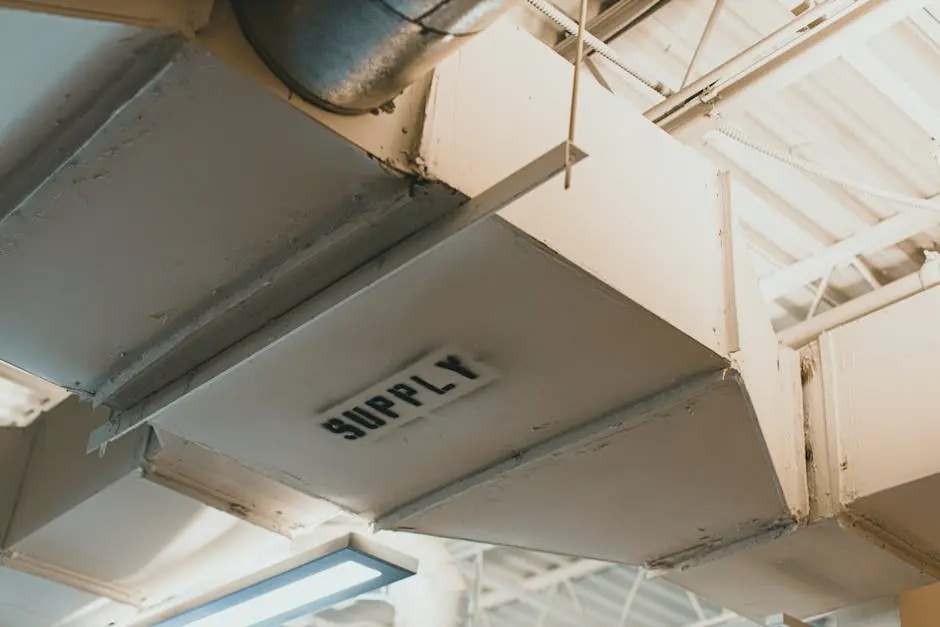
Leaky ducts can lead to significant energy loss, making your HVAC system work harder to achieve the desired indoor temperature. Sealing these leaks ensures that all the cool air reaches its intended destination, improving overall efficiency. Conduct regular inspections of your ductwork to identify any gaps or disconnected sections. If you find leaks, use duct mastic or foil-backed tape for sealing them effectively. Sealing your ducts not only enhances cooling efficiency but also helps in maintaining consistent temperatures throughout your home, which is crucial during Arizona’s intense summer months.
4. Utilize Ceiling Fans
While ceiling fans don’t actually cool the air, they create a ‘wind-chill’ effect that makes the room feel cooler. Using ceiling fans allows you to raise your thermostat a few degrees without sacrificing comfort, significantly reducing the burden on your forced air system. In addition to ceiling fans, consider other ventilation strategies like using bathroom and kitchen exhaust fans to expel warm air and humidity, further aiding the cooling process. These fans are an incredibly cost-effective way to ease the strain on your forced air system during peak heat.
5. Inspect Insulation
Proper insulation is one of the key components in maintaining a cool home environment. It keeps the cool air inside and the hot air out, minimizing the workload of your HVAC system. Check your home for adequate insulation, especially in the attic and around doors and windows. Sealing gaps and ensuring comprehensive insulation can drastically reduce unwanted heat gain and is especially effective in tandem with quality windows and shading solutions. Prioritize areas that are prone to heat exchange to make a significant impact on your home’s temperature comfort levels.
6. Install a Programmable Thermostat
A programmable thermostat can greatly enhance the efficiency of your forced air system. It allows you to set temperatures based on your schedule, ensuring your system is not working hard when you’re not home. This strategic temperature management can lead to significant energy savings while maintaining a comfortable climate upon your return. As Hamstra Heating & Cooling suggests, smart thermostats take this a step further by learning your daily patterns and making real-time adjustments for ultimate efficiency gains.
7. Use Energy-Efficient Windows
Energy-efficient windows are designed to minimize heat gain during the summer months, reducing the amount of heat that enters your home. This gives your forced air system a break and helps maintain cooler indoor temperatures. Consider options like double-glazed or low-emissivity (low-E) windows, which provide additional insulation against the summer heat. Installing these windows can be a transformative step towards lowering your energy bills and improving comfort, particularly during Arizona’s scorching summer.
8. Ensure Adequate Ventilation
Good ventilation is essential for dispelling heat build-up and reducing the load on your air system. Consider installing exhaust or ventilator fans in key areas of the home, such as the kitchen and bathrooms, to efficiently remove hot air and maintain a balanced indoor climate. Ventilation strategies should also include proper attic ventilation to prevent heat accumulation, which can affect the temperature of the entire house. Thoughtful planning of ventilation can make a notable difference in your home’s cooling effectiveness.
9. Shade Your Home
Shading your home can be a simple yet powerful method of reducing indoor temperatures. Use blinds, curtains, or external shading devices like awnings to block the harsh sunlight, keeping indoor temperatures cooler naturally. Shading not only helps in maintaining comfortable indoor conditions but also complements the efforts of your HVAC system, ultimately boosting its efficiency. Planting trees or adding pergolas for natural shade are additional strategies to consider, creating a cooler environment inside and improving energy efficiency.
10. Avoid Using Heat-Generating Appliances
Limit the use of ovens and other heat-generating appliances during the hottest parts of the day to prevent raising indoor temperatures. Consider using alternative methods such as grilling outdoors or utilizing smaller, energy-efficient appliances like microwaves or slow cookers. Reducing indoor heat generation can significantly ease the burden on your forced air system, keeping your home cooler and reducing overall energy consumption. Shifting heavy appliance use to the cooler parts of the day can be an easy policy change with considerable comfort benefits.
11. Optimize Your Landscape
Strategically planting trees or shrubs can provide shade to your home, reducing heat absorption and aiding the efficiency of your forced air system. Consider drought-resistant plants that thrive in Arizona’s climate, as they require less water and can contribute to natural cooling. A well-thought-out landscape design not only enhances aesthetic appeal but also serves as an effective temperature control measure, complementing your efforts to maintain an energy-efficient home environment.
12. Conduct a Home Energy Audit
A professional energy audit identifies areas where you can improve efficiency, including issues with your HVAC system, insulation, and appliances. By understanding your home’s energy use and potential inefficiencies, you can make targeted improvements that lead to better performance and energy savings. As How to Extend the Lifespan of Your HVAC System in Arizonas Harsh Climate highlights, these adjustments not only enhance comfort but also contribute to the system’s longevity, ensuring reliable performance over time.
0 Comments